
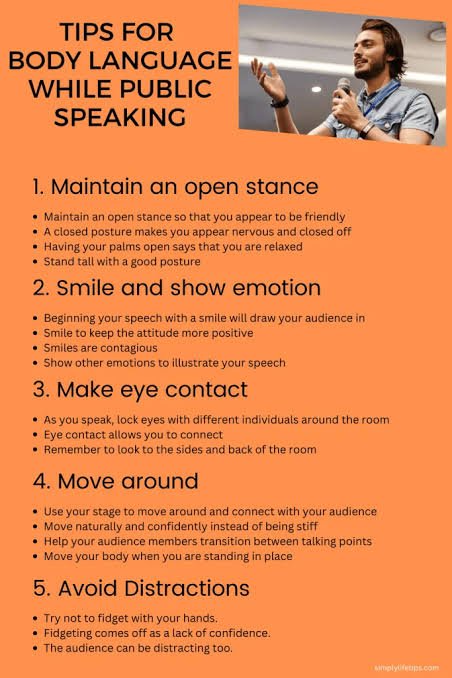
Body language plays an important role in communication. It includes your facial expressions, eye contact, posture, hand movements, and gestures. Even if your English is good, poor body language can reduce your confidence and make your message less effective. Therefore, learning good body language is essential for students, professionals, and job seekers. Moreover, positive body language helps you make a strong first impression and keeps your audience interested. Whether you are giving a presentation, attending an interview, or speaking in public, confident body language can improve your communication skills. In this article, you will learn how to improve body language while speaking with simple tips that you can practice every day.
Why Is Body Language Important While Speaking?
Body language is as important as the words you speak. In fact, many people judge your confidence through your posture, eye contact, and facial expressions. Moreover, positive body language helps people trust you and understand your message better. It also makes you look more professional and confident. As a result, you can communicate more effectively in interviews, presentations, meetings, and daily conversations. Learning good body language also reduces nervousness and helps you feel more comfortable while speaking.
Signs of Good Body Language
Good body language shows confidence, respect, and interest. For example, standing straight, smiling naturally, and maintaining eye contact create a positive impression. In addition, using open hand gestures and relaxed movements makes your communication more engaging. A confident speaker avoids unnecessary movements and keeps a calm posture. Overall, positive body language helps you connect better with your audience and makes your speech more effective.
10 Easy Tips to Improve Body Language While Speaking
Maintain Eye Contact
Eye contact is one of the most important parts of body language. Instead of looking at the floor or ceiling, look at the person you are speaking to. Good eye contact shows confidence, honesty, and respect. However, avoid staring continuously. Keep your eye contact natural and comfortable.
Stand with Good Posture
Always stand or sit straight while speaking. A good posture makes you look confident and professional. On the other hand, slouching or bending your shoulders may make you appear nervous or uninterested. Therefore, keep your back straight and your shoulders relaxed.
Smile Naturally
A natural smile makes you look friendly and approachable. Moreover, smiling helps reduce stress and creates a positive atmosphere. People are more likely to listen to someone who smiles confidently rather than someone who looks serious all the time.
Use Hand Gestures
Hand gestures make your speech more interesting and easier to understand. For example, you can use your hands to explain important points. However, avoid moving your hands too much because it may distract your audience.
Avoid Crossing Your Arms
Crossing your arms may make you look defensive or uncomfortable. Instead, keep your arms relaxed by your sides or use natural hand movements while speaking. This creates a more open and confident appearance.
Control Your Facial Expressions
Your face shows your emotions. Therefore, keep your facial expressions positive and suitable for the situation. Smile when appropriate and avoid looking angry, bored, or nervous.
Speak Slowly and Clearly
Speaking too fast can make your audience miss important information. Instead, speak at a comfortable speed and pronounce your words clearly. As a result, your listeners will understand you more easily.
Avoid Unnecessary Movements
Many people shake their legs, play with a pen, or touch their face while speaking. These habits can distract your audience. Therefore, stay calm and keep your movements controlled.
Practice in Front of a Mirror
Mirror practice helps you observe your posture, facial expressions, and hand gestures. In addition, it helps you identify mistakes and improve your confidence before speaking in front of others.
Record Yourself
Recording yourself while speaking is another effective way to improve body language. Afterwards, watch the video carefully and notice your posture, eye contact, voice, and gestures. Then, work on the areas that need improvement.
Common Body Language Mistakes
Many people make simple body language mistakes while speaking. For instance, they avoid eye contact, cross their arms, or stand with poor posture. Similarly, some people speak too quickly or use too many hand movements. Because of this, their communication becomes less effective. By identifying these mistakes, you can improve your confidence and speaking style.
Benefits of Good Body Language
Good body language offers many benefits. Firstly, it improves your confidence. Secondly, it helps you communicate more clearly. Furthermore, it creates a positive first impression during interviews and presentations. Finally, it strengthens your personal and professional relationships by making your communication more engaging.
Daily Practice Tips
Improving body language takes regular practice. First, practice speaking in front of a mirror every day. Next, record your speech and review it carefully. Besides this, watch confident speakers and learn from their posture and gestures. Finally, ask friends or teachers for feedback so you can continue improving.
Conclusion
Learning how to improve body language while speaking is essential for better communication. Although it takes time and practice, small changes can make a big difference. Moreover, maintaining eye contact, using natural gestures, standing confidently, and speaking clearly will help you leave a positive impression. Therefore, practice these tips every day to become a more confident and effective speaker.